
Construction machinery
Terex Mining Dump Truck: 7 Key Factors for Smart Buyers
Introduction
Investing in a Terex mining dump truck is a significant decision that impacts your operation’s productivity, safety, and bottom line. Terex (now part of Hitachi and Volvo) has long been recognized for rugged haul trucks like the TR series and MT series, which excel in coal mines, copper pits, and aggregate quarries worldwide. However, choosing the right model and configuration requires careful evaluation. This guide delivers 7 key factors to help you select the ideal Terex mining dump truck while avoiding costly mistakes and maximizing your return on investment.
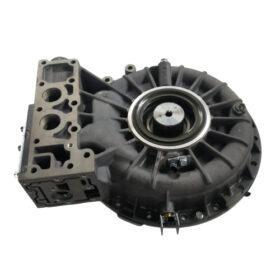
Why Terex Remains a Trusted Name in Mining Haulage
Terex mining trucks are engineered for extreme conditions. Their robust frames, powerful drivetrains, and operator-friendly cabs have made them popular across Africa, Australia, South America, and Russia. Understanding the lineage—TR (rigid frame) and MT (mining truck) series—helps you identify which Terex mining dump truck best suits your site’s haul distances, payload requirements, and terrain challenges.
7 Key Factors to Consider When Buying a Terex Mining Dump Truck
Factor 1: Match Payload Capacity to Your Site Conditions
Terex offers a range of capacities. Common Terex mining dump truck models include:
| Model | Payload Capacity | Best For |
|---|---|---|
| TR45 | 45 tons (41 tonnes) | Small quarries, construction |
| TR60 | 60 tons (54 tonnes) | Medium-sized mines |
| TR100 | 100 tons (91 tonnes) | Large open-pit mines |
| MT3300 | 100–150 tons | Heavy overburden removal |
| MT4400 | 200–260 tons | Ultra-class mining operations |
Selection tip: Choose a truck that handles your average load without exceeding 90% of rated capacity. Overloading accelerates wear on tires, frames, and braking systems.
Factor 2: Evaluate Haul Road Conditions and Terrain
Your site’s haul roads dramatically affect Terex mining dump truck performance:
- Long, gradual slopes – Prefer AC electric drive models (e.g., MT series) for better retarding and lower brake wear.
- Short, steep ramps – Mechanical drive (e.g., TR series) offers quicker response.
- Soft or muddy ground – Look for wider tires and higher ground clearance.
Pro Tip: Request site survey photos with filenames like
terex-mt4400-open-pit-coal-mine.jpgand alt text: *”Terex mining dump truck MT4400 operating in an open-pit coal mine with steep haul roads.”*
Factor 3: Inspect the Drivetrain – Mechanical vs. Electric
Two main drivetrain types exist for Terex mining dump truck models:
| Drivetrain | Advantages | Disadvantages |
|---|---|---|
| Mechanical (TR series) | Simpler maintenance, lower initial cost | Higher brake wear on long downgrades |
| AC Electric (MT series) | Excellent retarding, lower fuel consumption | Higher upfront cost, specialized technicians |
For mines with 10%+ grades over 1 km, electric drive pays for itself through reduced brake maintenance.
Factor 4: Check Frame and Suspension Integrity
The frame is the backbone of any Terex mining dump truck. Look for:
- Full-box section rails – Resists twisting and cracking.
- Strut-type front suspension – Terex’s trademark for smoother ride and longer component life.
- Rear trailing arm mounts – Check for cracks or weld repairs on used trucks.
Visual inspection tip: Bring a flashlight and mirror to examine the inner frame rails near suspension attachment points.
Factor 5: Assess Tire Wear Patterns and Options
Tires represent up to 25% of operating costs. When evaluating a Terex mining dump truck, examine:
- Tread depth – Replace when below 30% of original.
- Sidewall condition – Look for cuts, bulges, or heat damage.
- Wear uniformity – Uneven wear indicates alignment or suspension issues.
Common tire sizes: 18.00R33 (TR45), 21.00R35 (TR60), 27.00R49 (MT3300), 40.00R57 (MT4400).
Factor 6: Review Maintenance History and Parts Availability
A complete service record is essential for any used Terex mining dump truck. Request:
- Engine oil analysis reports (last 5 changes).
- Transmission rebuild records.
- Brake system replacement intervals.
- Parts availability – Ask about lead times for common wear items like brake discs, hydraulic hoses, and dump body liners.
For your website www.shiyanqijing.com, consider creating a dedicated Terex parts category to support owners with fast-shipping components.
Factor 7: Calculate Total Cost of Ownership (TCO)
Compare multiple Terex mining dump truck options using this TCO formula:
TCO = Purchase Price + (Fuel Cost × Hours × Consumption) + (Maintenance × Hours) + Tire Replacement Cost
A cheaper 80,000truckwithhighfuelconsumptionandfrequentbreakdownsoftenexceedstheTCOofa80,000truckwithhighfuelconsumptionandfrequentbreakdownsoftenexceedstheTCOofa120,000 well-maintained unit over 10,000 operating hours.
Visual Guide: Key Wear Areas on a Terex Mining Dump Truck
(Suggested infographic or annotated photo)
Label these critical inspection points:
- Dump body liner and floor plates
- Hoist cylinders and pivot pins
- Final drives and planetaries
- Brake calipers and discs (wet vs. dry)
- Cab mounting isolators
Image alt text example: “Annotated diagram of Terex mining dump truck showing key wear areas including dump body liners, hoist cylinders, and final drives.”
Filename: terex-mining-truck-wear-points-diagram.png
Conclusion
Selecting the right Terex mining dump truck requires evaluating payload capacity, terrain, drivetrain type, frame condition, tires, maintenance history, and total cost of ownership. Whether you choose a mechanical-drive TR series for quarry work or an electric-drive MT series for massive open pits, thorough inspection and parts availability planning will protect your investment. Remember: the cheapest truck upfront rarely delivers the lowest cost per ton hauled.
Ready to find your ideal Terex mining dump truck or need parts support?
Browse our inventory of genuine and premium aftermarket components for all Terex mining dump truck models. [Click here to explore Terex parts] or contact our team for a free consultation on truck selection and maintenance planning.