XCMG Parts
XCMG Crane Hoist Parts: Winch, Gearbox and Brake Guide
The hoisting system is one of the most important working systems on a crane. It controls the lifting and lowering of loads and depends on the coordinated operation of mechanical, hydraulic, and electrical components. When a hoisting component becomes worn or damaged, crane performance, maintenance efficiency, and operating safety can be affected.
For crane parts distributors, maintenance companies, fleet operators, and equipment owners, identifying the correct XCMG crane hoist parts is essential before placing an order. Common components include winches, drums, gearboxes, motors, brakes, couplings, bearings, shafts, and related replacement parts.
This guide explains the main components of a crane hoisting system, common failure symptoms, replacement considerations, and the information buyers should provide when sourcing XCMG crane hoist parts.
What Are XCMG Crane Hoist Parts?
XCMG crane hoist parts are the mechanical, hydraulic, and electrical components associated with the crane’s hoisting mechanism.
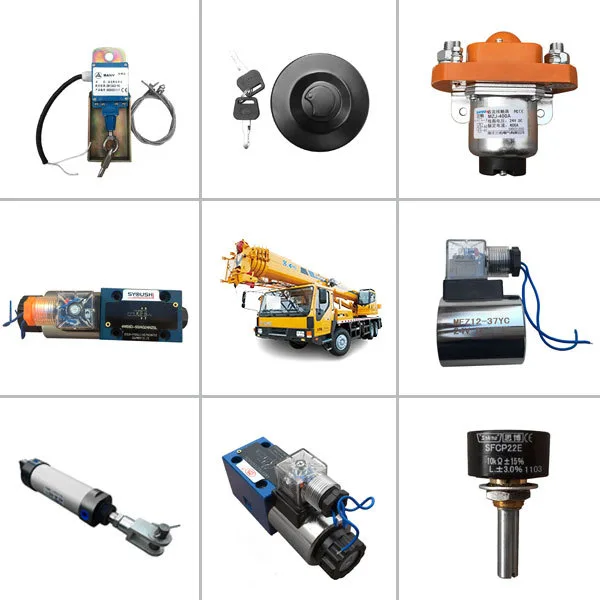
The exact configuration depends on the crane model and design. Different crane types and capacities can use different hoisting arrangements, so buyers should always verify the applicable machine and component information.
Typical hoist-related components may include:
- Hoist winches
- Winch drums
- Hoist gearboxes
- Hydraulic or electric motors
- Brake assemblies
- Couplings
- Bearings
- Shafts
- Gears
- Hydraulic valves
- Hydraulic hoses
- Seals and O-rings
- Wire rope-related components
Not every crane uses the same combination of components. The exact parts should be identified using the machine model, serial number, original part number, and available technical documentation.
Main Components of an XCMG Crane Hoisting System
1. Hoist Winch
The hoist winch is a core component of the lifting mechanism. It transfers driving power to the wire rope system to raise and lower loads.
A winch assembly can contain multiple components, including a drum, gearbox, motor, brake, shaft, bearing, and other mechanical parts.
Possible symptoms of a winch-related problem include:
- Abnormal noise
- Irregular drum rotation
- Reduced lifting performance
- Excessive vibration
- Oil leakage
- Unusual heat generation
Before replacing a complete winch, maintenance personnel should determine which component is responsible for the problem.
2. Hoist Drum
The hoist drum stores and releases the wire rope during lifting and lowering operations.
The drum must work correctly with the applicable wire rope arrangement and crane configuration. Wear, deformation, surface damage, or problems with the drum assembly can affect rope winding and overall hoisting performance.
When sourcing a replacement drum, buyers should confirm:
- Applicable crane model
- Drum dimensions
- Rope arrangement
- Mounting configuration
- Shaft or bearing arrangement
- Original part number
A drum should not be selected based only on its external diameter.
XCMG Crane Hoist Gearbox
The hoist gearbox transmits and modifies rotational power between the drive motor and the hoisting mechanism.
Gears, shafts, bearings, seals, and other internal components can experience wear during prolonged operation, particularly under demanding working conditions.
Common Gearbox Problems
Possible symptoms include:
- Abnormal gear noise
- Excessive vibration
- Oil leakage
- Increased operating temperature
- Irregular rotation
- Reduced transmission performance
These symptoms can have several possible causes. For example, abnormal noise may be associated with gear wear, bearing damage, lubrication problems, or alignment issues.
A gearbox should therefore be inspected systematically before deciding whether to replace the complete assembly.
Gearbox Replacement Considerations
When sourcing an XCMG crane hoist gearbox, confirm:
- Crane model
- Original gearbox part number
- Gearbox model
- Reduction ratio
- Mounting dimensions
- Shaft configuration
- Rotation requirements
- Lubrication requirements
For international procurement, photographs of the identification plate and mounting interfaces can be particularly useful.
Hoist Motor
The hoist motor provides the driving power required by the lifting mechanism.
Depending on the crane design, the hoisting system may use hydraulic or electric drive components.
Hydraulic Hoist Motor
Hydraulic motors can be used in hydraulic hoisting systems. Problems may involve leakage, reduced output, abnormal noise, or unstable operation.
When replacing a hydraulic motor, verify the model, displacement, pressure requirements, shaft configuration, mounting dimensions, and applicable hydraulic circuit.
Electric Hoist Motor
Where an electric motor is used, buyers should confirm electrical and mechanical specifications, including:
- Voltage
- Frequency
- Power
- Speed
- Mounting arrangement
- Shaft dimensions
- Protection requirements
The correct motor must match both the electrical supply and the mechanical transmission system.
XCMG Crane Hoist Brake Parts
The brake system is a critical part of the hoisting mechanism because it helps control and hold the load according to the crane’s design.
Brake components can include different mechanical or hydraulic elements depending on the system configuration.
Potential brake-related symptoms include:
- Unusual brake noise
- Excessive wear
- Delayed braking response
- Brake slippage
- Abnormal heat
- Difficulty holding the load
Because braking is directly related to safe load control, inspection and replacement should follow the crane manufacturer’s maintenance requirements and applicable safety procedures.
Brake Components to Inspect
Depending on the crane configuration, inspection may include:
- Brake discs
- Brake pads or friction components
- Brake springs
- Brake chambers
- Brake seals
- Brake cylinders
- Hydraulic brake components
- Brake adjustment mechanisms
The exact component names and configuration depend on the crane design.
Hoist Couplings
Couplings connect rotating components and transmit torque between the drive and driven assemblies.
A worn coupling can produce vibration, abnormal noise, or irregular transmission.
Potential causes of coupling problems include:
- Wear
- Misalignment
- Excessive loading
- Damaged flexible elements
- Incorrect installation
When sourcing a replacement coupling, verify the shaft dimensions, connection method, torque requirements, and mounting configuration.
A coupling should not be selected only according to its external size.
Bearings in the Hoisting System
Bearings support rotating shafts and reduce friction within the hoisting mechanism.
Bearing problems can produce:
- Abnormal noise
- Vibration
- Increased temperature
- Irregular rotation
- Excessive shaft movement
When replacing bearings, confirm the correct bearing designation and dimensions.
For some applications, buyers may also need to consider operating speed, load conditions, lubrication, sealing arrangement, and installation requirements.
Hoist Shaft and Gear Components
Shafts and gears transmit mechanical power through the hoisting system.
These components can experience wear, fatigue, surface damage, or deformation depending on operating conditions.
When a gearbox or winch develops a problem, inspecting related gears, shafts, bearings, and lubrication conditions can help determine the actual cause.
Replacing one damaged component without addressing a related problem may lead to repeated failure.
Hoist Seals and O-Rings
Sealing components help prevent hydraulic oil or gearbox lubricant from escaping and help protect internal components from contamination.
Common sealing components include:
- Oil seals
- O-rings
- Gaskets
- Hydraulic seals
- Shaft seals
A leaking seal does not always mean that the seal itself is the only problem. Excessive shaft wear, incorrect installation, pressure conditions, or damaged sealing surfaces may also contribute to leakage.
For this reason, seal replacement should be accompanied by an inspection of the relevant mating surfaces.
Common XCMG Crane Hoist Problems
Hoist Makes Abnormal Noise
Noise can originate from gears, bearings, motors, couplings, lubrication problems, or misalignment.
The location, frequency, and operating condition under which the noise occurs can help identify the affected component.
Hoist Moves Slowly
Slow lifting can have hydraulic, electrical, mechanical, or load-related causes.
Depending on the crane configuration, inspect the motor, hydraulic system, gearbox, brake, and relevant control components.
Hoist Oil Leakage
Oil leakage may occur around gearboxes, hydraulic motors, pumps, cylinders, or other components.
Inspect seals, connections, housings, and shaft surfaces to determine the source.
Excessive Vibration
Vibration can result from bearing wear, coupling problems, shaft issues, gear damage, misalignment, or other mechanical conditions.
A systematic inspection is recommended before ordering replacement parts.
Brake Does Not Operate Normally
Brake-related problems should be investigated promptly.
Inspect the applicable brake mechanism and control system according to the crane’s maintenance procedures. Do not continue operating equipment when a suspected brake fault creates an unsafe condition.
How to Diagnose an XCMG Crane Hoist Problem
A systematic approach can help reduce unnecessary replacement costs.
Step 1: Identify the Operating Symptom
Record exactly what happens during operation.
For example:
- The hoist cannot lift normally.
- The drum rotates irregularly.
- The system produces abnormal noise.
- Oil leaks from the gearbox.
- The brake does not hold correctly.
Step 2: Identify the Relevant System
Determine whether the symptom is associated with:
- Motor
- Gearbox
- Winch
- Drum
- Brake
- Coupling
- Bearing
- Hydraulic circuit
- Electrical control system
Step 3: Inspect Visible Components
Check for leakage, abnormal wear, loose connections, damaged housings, overheating, and other visible signs.
Step 4: Perform Appropriate Testing
Depending on the component, testing may include hydraulic pressure measurement, electrical testing, temperature monitoring, vibration analysis, or mechanical inspection.
The appropriate method depends on the crane model and the suspected fault.
Step 5: Confirm the Replacement Requirement
Once the defective component has been identified, confirm its part number and technical specifications before ordering.
How to Identify the Correct XCMG Crane Hoist Parts
The original part number is one of the most useful references when sourcing replacement components.
However, buyers should also provide:
- Exact crane model
- Serial number
- Component name
- Original part number
- Component photographs
- Identification plate photographs
- Required quantity
- Application information
For large mechanical assemblies, photographs showing the mounting interface and connection points can help suppliers identify the correct configuration.
XCMG Crane Hoist Parts: OEM vs Aftermarket
Hoisting components can be sourced through different supply channels depending on availability, application, and buyer requirements.
For aftermarket components, buyers should evaluate the actual technical specification rather than relying solely on the product description.
Important factors include:
- Part number compatibility
- Dimensions
- Load requirements
- Material
- Manufacturing quality
- Inspection procedures
- Supplier experience
- Warranty conditions
- Availability of replacement components
Critical hoisting and braking components require particularly careful technical verification.
How to Buy XCMG Crane Hoist Parts from China
International buyers should provide a detailed parts request when sourcing hoist components from China.
A useful inquiry should include:
Crane model + part number + component name + photographs + quantity
For example, instead of simply requesting “XCMG crane winch parts,” provide the exact crane model and the available identification information.
For gearbox or motor inquiries, photographs of the nameplate can be particularly useful.
For brake components, provide information about the complete brake assembly where possible.
This helps reduce ambiguity and allows suppliers to provide a more accurate quotation.
What Information Should Be Included in an RFQ?
A professional RFQ for XCMG crane hoist parts should ideally include:
| Information | Example |
|---|---|
| Crane model | Exact machine model |
| Serial number | Machine identification |
| Part name | Hoist gearbox |
| Original part number | Number shown on the part |
| Quantity | Required quantity |
| Photos | Product and identification plate |
| Technical data | Dimensions or specifications |
| Destination | Country and city |
| Delivery requirement | Standard or urgent |
For repeat purchasing, maintaining a standardized parts list can make future procurement more efficient.
How to Maintain XCMG Crane Hoist Components
Preventive maintenance can help identify wear before it develops into a major failure.
Maintenance personnel should follow the applicable crane maintenance schedule and technical documentation.
Depending on the component, maintenance may include:
- Checking lubricant condition
- Inspecting oil levels
- Checking for leakage
- Inspecting brake components
- Checking fasteners
- Monitoring abnormal noise
- Inspecting bearings
- Checking couplings
- Inspecting wire rope-related components
Maintenance intervals should be based on the crane manufacturer’s requirements and actual operating conditions.
Why Source XCMG Crane Hoist Parts from Shiyan Qijing?
Shiyan Qijing supplies construction machinery spare parts and replacement components for international B2B customers.
For XCMG crane hoist parts inquiries, buyers can provide crane model information, original part numbers, photographs, identification plates, and required quantities.
We can review requirements for different categories of crane components and support parts identification and quotation based on the information provided.
For distributors and fleet operators, consolidated parts lists can also be submitted for multiple-component inquiries.
Before ordering critical hoisting or braking components, buyers should confirm the exact application and technical requirements.
Conclusion
XCMG crane hoist parts include a range of components such as winches, drums, gearboxes, motors, brakes, couplings, bearings, shafts, gears, and sealing components.
Because the hoisting system combines mechanical, hydraulic, and electrical functions, a single operating symptom may have several possible causes. Systematic inspection and appropriate testing are therefore important before replacing components.
For international buyers, accurate parts identification is especially important. Providing the crane model, serial number, original part number, photographs, and identification plate information can significantly reduce the risk of ordering an incorrect component.
If you need XCMG crane hoist parts for equipment maintenance, repair, inventory, or distribution, contact Shiyan Qijing with your parts list or component information for identification and quotation.
